Finding the right chef for your kitchen is like discovering that perfect recipe – it takes patience, intuition, and asking the right questions. Whether you're hiring for a bustling restaurant, a cozy café, or an upscale dining establishment, the chef you choose will shape not just your menu, but the entire heart of your operation.
I've spent years watching restaurant owners struggle with this crucial decision, and I've seen firsthand how the right questions can reveal everything from a chef's technical skills to their ability to inspire a team during the dinner rush. These aren't just interview questions – they're keys to understanding who will bring passion, creativity, and leadership to your kitchen.
The conversation you have with potential chefs should feel natural and revealing, going beyond the basics to uncover their true cooking philosophy and work style. Here are 150 thoughtfully crafted questions for your next chef interview that will help you find not just a skilled cook, but a culinary partner who shares your vision.
Related: 130 CMO Interview Questions to Find Your Marketing Leader
Background and Experience
Getting to know a chef's journey tells you so much more than their resume ever could. Every chef has a story – from their first time holding a knife to the moment they realized cooking was their calling. These questions help you understand not just where they've been, but how those experiences shaped who they are today.
The beauty of exploring someone's culinary background is discovering those pivotal moments that defined their approach to food. You'll learn about their mentors, their failures, their victories, and the experiences that continue to inspire their cooking every single day.
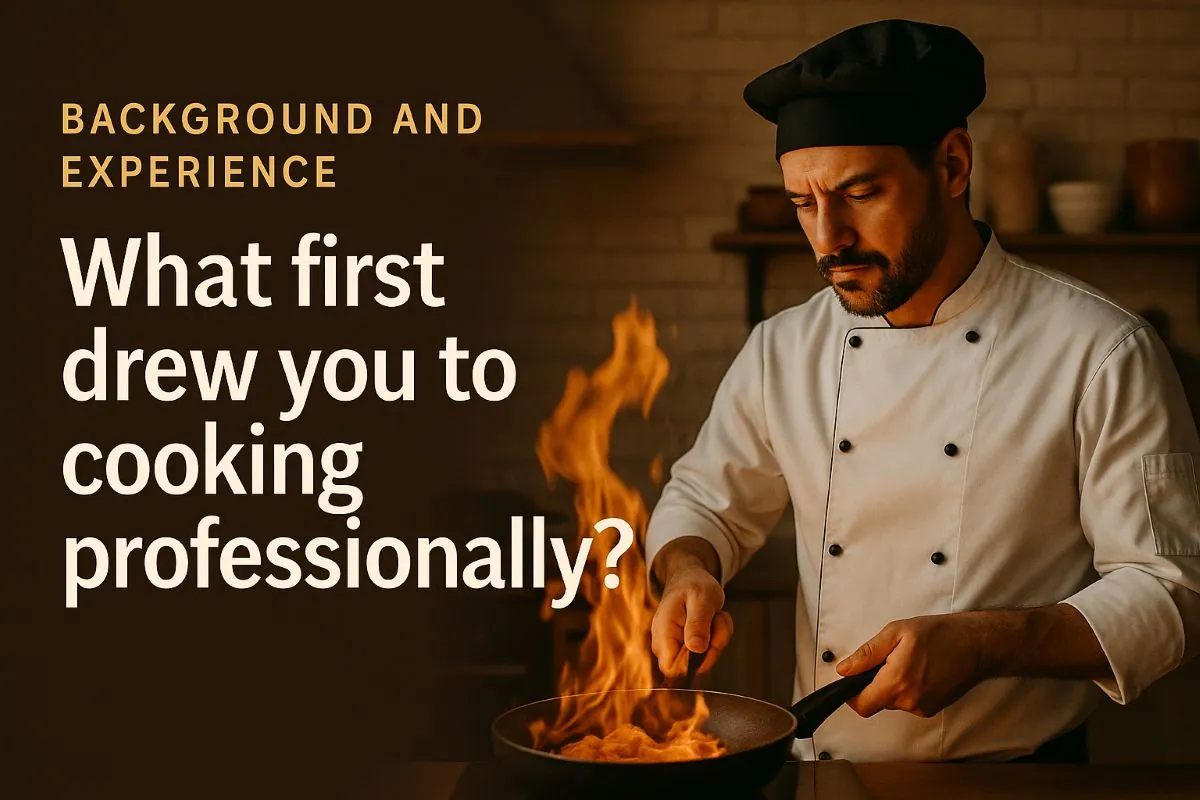
- What first drew you to cooking professionally?
- Tell me about your culinary education and training.
- Which chef or mentor has influenced you most?
- What's the most challenging kitchen you've worked in?
- How has your cooking style evolved over the years?
- What's your proudest culinary achievement?
- Describe a time when you had to learn a completely new cuisine.
- What was your first professional kitchen job like?
- Which restaurant experience taught you the most?
- How do you stay current with culinary trends?
- What's the biggest mistake you've made in a kitchen?
- Tell me about a dish you created that you're particularly proud of.
- How do you handle constructive criticism of your cooking?
- What's the most important lesson you've learned from a failure?
- Which kitchen environments do you thrive in most?
Culinary Philosophy and Creativity
A chef's philosophy is their compass – it guides every decision from ingredient selection to plating techniques. Understanding how someone thinks about food reveals whether they'll be a good fit for your restaurant's vision and values. This is where you discover what truly motivates them beyond just cooking.
When chefs talk about their culinary philosophy, you hear their passion come alive. They'll share what drives them to create, how they approach flavor combinations, and what they believe food should represent. These conversations often reveal the most authentic version of who they are as culinary artists.
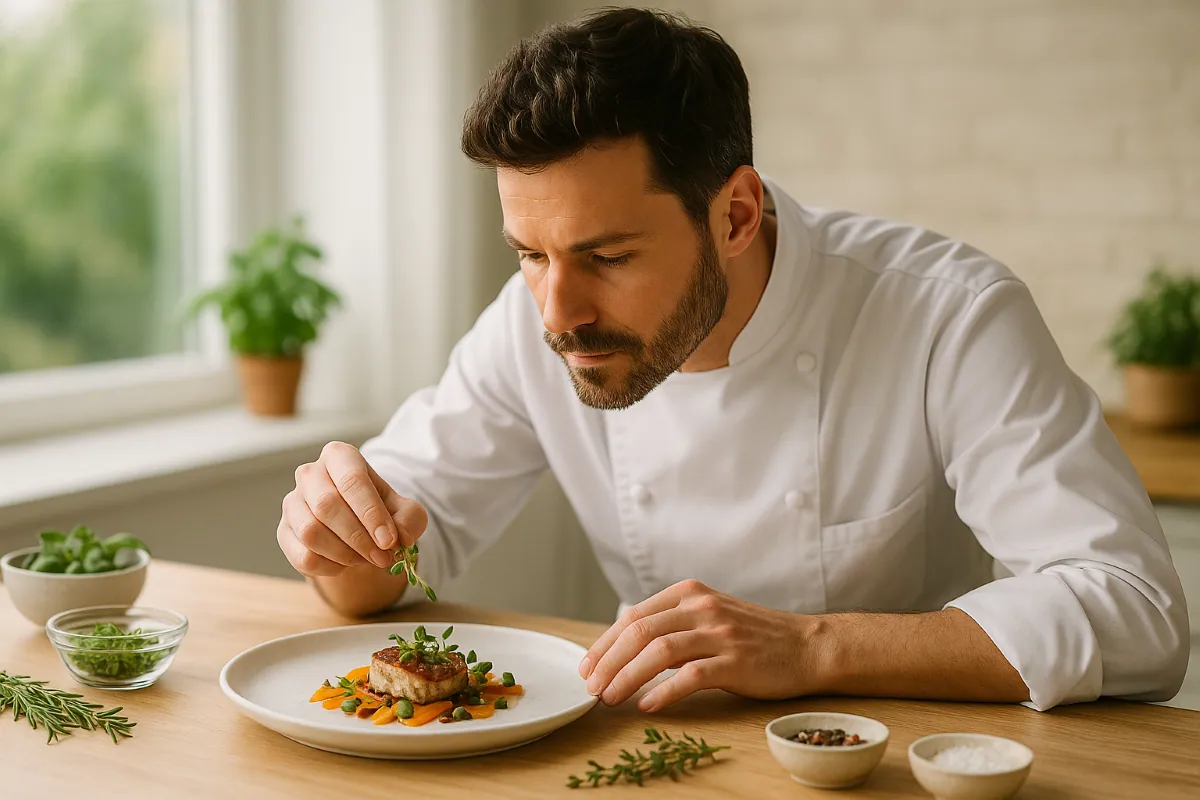
- How would you describe your cooking philosophy?
- What role does creativity play in your daily cooking?
- How do you develop new recipes?
- What inspires your menu creation process?
- How do you balance tradition with innovation?
- What's your approach to using seasonal ingredients?
- How do you handle dietary restrictions creatively?
- What makes a dish truly memorable for you?
- How do you incorporate global flavors into your cooking?
- What's your philosophy on food presentation?
- How do you ensure authenticity in your dishes?
- What's your approach to comfort food versus fine dining?
- How do you handle food trends you disagree with?
- What role does storytelling play in your menu design?
- How do you make simple ingredients extraordinary?
Technical Skills and Knowledge
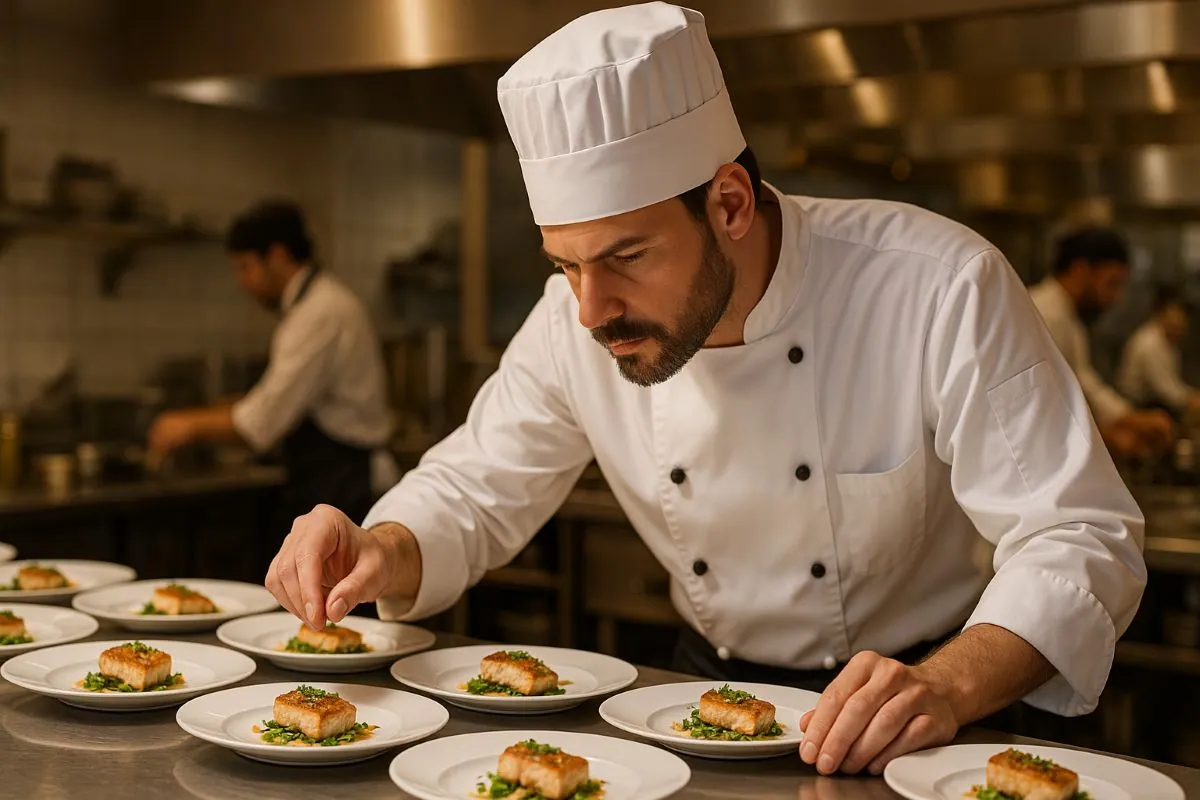
While passion and creativity matter enormously, technical skills form the foundation of great cooking. These questions help you assess whether a chef has the fundamental knowledge and hands-on abilities to execute your menu consistently. It's about understanding their comfort level with different techniques and their approach to continuous learning.
Technical proficiency shows up in how chefs talk about their craft – their understanding of flavor profiles, cooking methods, and food science. Listen for confidence paired with humility, and notice how they describe complex processes in simple terms.
- Walk me through your knife skills and preferred techniques.
- How do you ensure food safety in a busy kitchen?
- What's your experience with different cooking methods?
- How do you manage food costs and waste?
- Describe your approach to menu costing.
- What's your experience with dietary restriction accommodations?
- How do you maintain consistency across multiple dishes?
- What's your knowledge of wine and beverage pairings?
- How do you handle equipment failures during service?
- What's your experience with different protein preparations?
- How do you ensure proper food storage and rotation?
- What's your approach to sauce making and flavor building?
- How do you manage prep work efficiency?
- What's your experience with baking and pastry?
- How do you adapt recipes for different serving sizes?
Related: 100 Powerful Teamwork Quotes That Inspire Great Collaboration
Leadership and Team Management
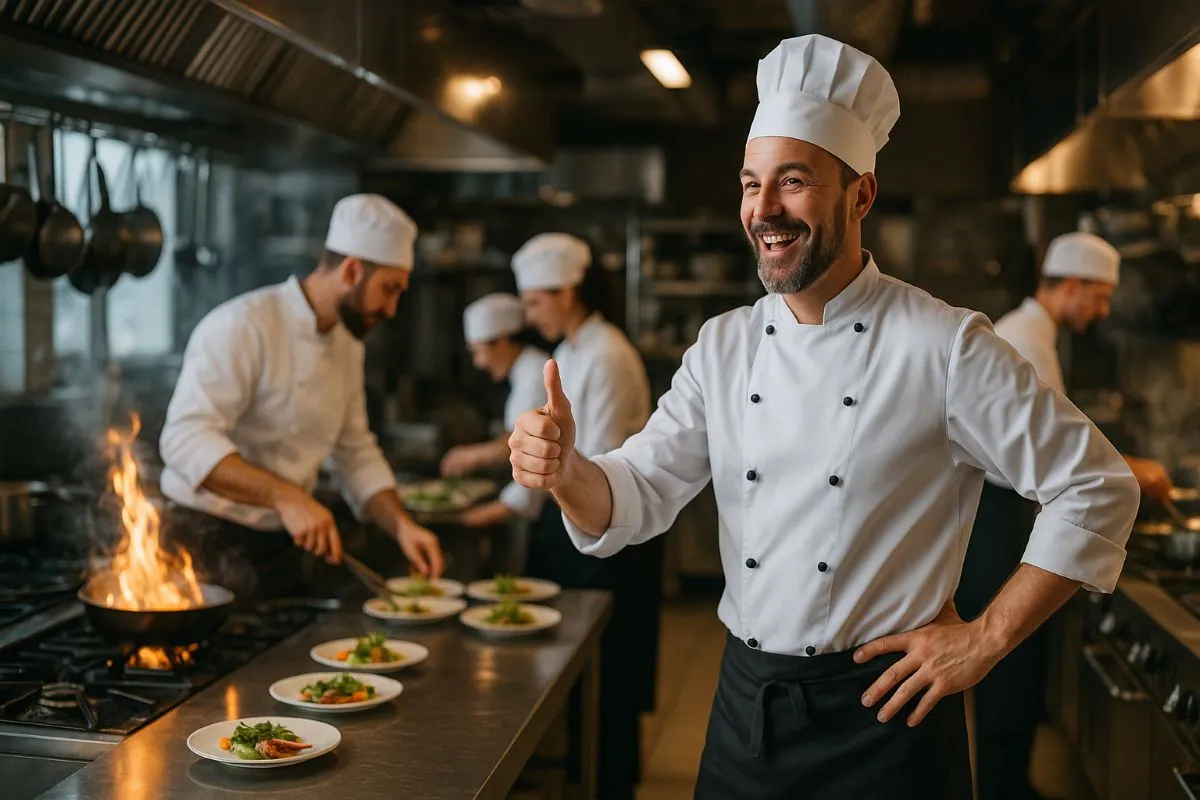
The best chefs aren't just great cooks – they're inspiring leaders who can unite a team around a common vision. Kitchen environments can be intense and demanding, so understanding how someone manages people, resolves conflicts, and maintains morale is crucial for your restaurant's success.
Leadership in the kitchen is about more than giving orders; it's about mentoring, motivating, and creating an environment where everyone can do their best work. These questions reveal how a chef builds culture and handles the human side of running a kitchen.
- How do you motivate kitchen staff during busy periods?
- Describe your approach to training new team members.
- How do you handle conflicts between kitchen staff?
- What's your management style in high-pressure situations?
- How do you delegate responsibilities effectively?
- Tell me about a time you had to discipline a team member.
- How do you foster creativity in your kitchen staff?
- What's your approach to performance reviews?
- How do you handle staff scheduling and time-off requests?
- Describe how you build team morale.
- How do you communicate standards and expectations?
- What's your experience with hiring and firing decisions?
- How do you handle a team member who isn't meeting standards?
- What role does mentorship play in your leadership style?
- How do you maintain team unity during stressful periods?
Problem-Solving and Adaptability
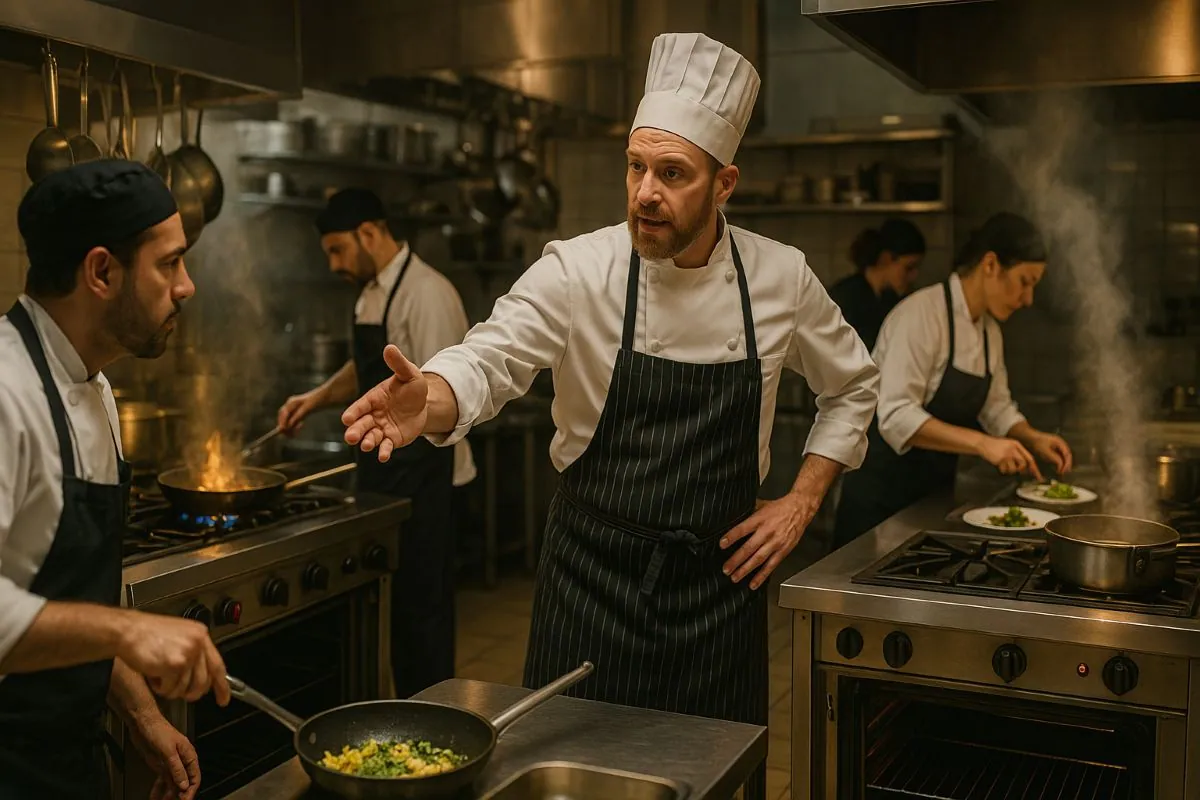
Restaurants are dynamic environments where unexpected challenges arise daily. From equipment breakdowns to ingredient shortages, successful chefs need to think quickly and adapt smoothly. These questions help you understand how someone performs under pressure and turns obstacles into opportunities.
The ability to problem-solve creatively often separates good chefs from great ones. You want someone who stays calm in chaos, finds solutions rather than excuses, and can pivot gracefully when plans change unexpectedly.
- Tell me about a time you had to completely change a menu last-minute.
- How do you handle running out of a key ingredient during service?
- Describe a challenging customer complaint and how you resolved it.
- What's your approach when equipment breaks down during rush hour?
- How do you adapt dishes for unexpected dietary restrictions?
- Tell me about a time you had to work with a very limited budget.
- How do you handle staffing shortages during busy periods?
- Describe a situation where you had to innovate with limited resources.
- What's your approach to handling food allergies on the fly?
- How do you manage when deliveries are late or incorrect?
- Tell me about a time you had to calm an angry customer.
- How do you handle competing priorities during service?
- What's your approach to managing multiple dietary restrictions at once?
- How do you adapt your cooking style to different kitchen setups?
- Describe how you've turned a kitchen disaster into a success.
Communication and Customer Service
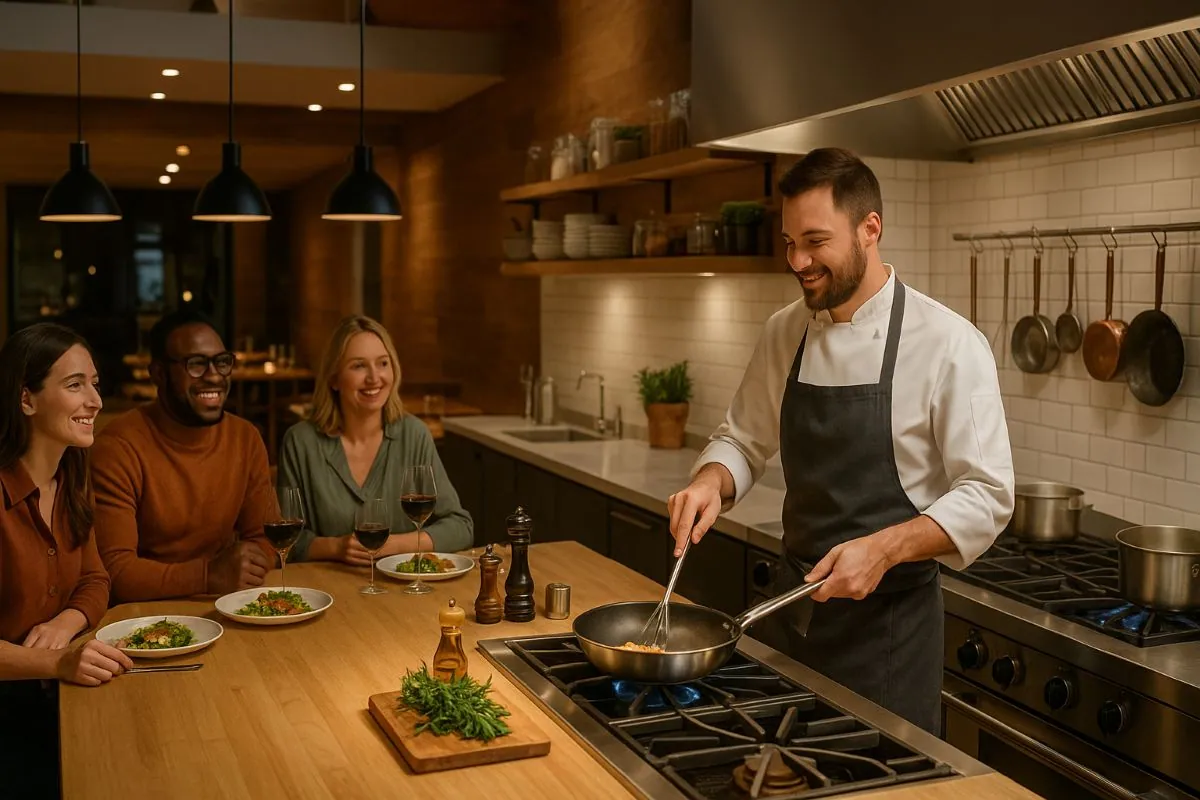
Great chefs understand that cooking is ultimately about serving people and creating experiences. Whether interacting with customers directly or working with front-of-house staff, communication skills are essential. These questions explore how well someone can translate their culinary expertise into positive customer experiences.
The connection between kitchen and dining room can make or break a restaurant's atmosphere. Chefs who understand this relationship and can communicate effectively across all areas of the business bring tremendous value to any establishment.
- How do you work with front-of-house staff effectively?
- What's your approach to handling special customer requests?
- How do you communicate with customers about dietary concerns?
- Describe your experience with open kitchen environments.
- How do you handle feedback from servers about dishes?
- What's your approach to explaining complex dishes to servers?
- How do you maintain quality while accommodating modifications?
- Tell me about a time you went above and beyond for a customer.
- How do you handle criticism of your dishes from guests?
- What's your experience with catering and special events?
- How do you ensure consistent messaging about menu items?
- What's your approach to handling VIP guests or special occasions?
- How do you work with management on customer service issues?
- Describe your experience with food allergies and customer safety.
- How do you maintain professionalism during difficult interactions?
Related: 202 Powerful Hustle and Grind Quotes to Fuel Your Success
Business Acumen and Operations
Modern chefs need to understand the business side of restaurants, from food costs to profit margins. These questions assess whether a candidate can balance creativity with commercial reality and contribute to the restaurant's financial success. It's about finding someone who cooks with both passion and pragmatism.
Understanding the numbers behind the food helps chefs make better decisions about everything from portion sizes to ingredient selection. The best chefs see themselves as business partners, not just creative artists.
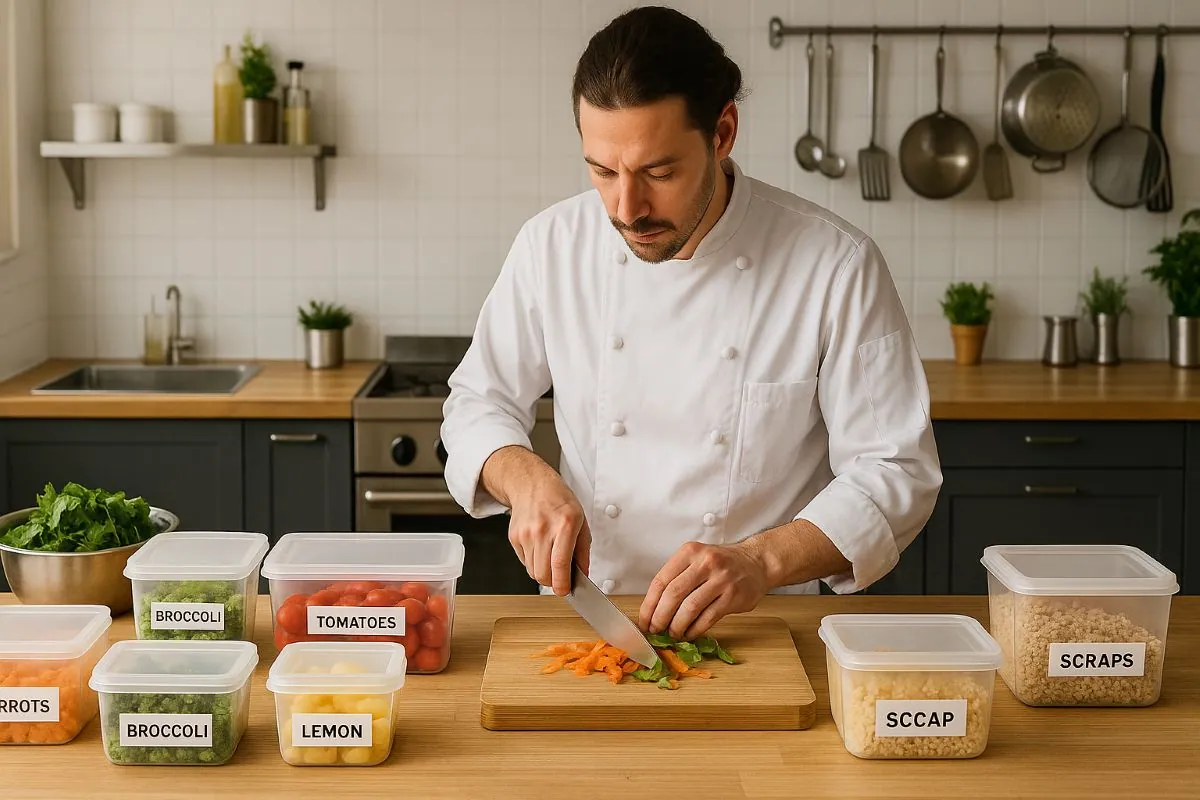
- How do you approach menu pricing and food cost management?
- What's your experience with inventory management?
- How do you reduce food waste while maintaining quality?
- What's your understanding of labor cost management?
- How do you balance creativity with profitability?
- What's your experience with vendor relationships?
- How do you track and analyze food costs?
- What's your approach to seasonal menu planning?
- How do you handle budget constraints while maintaining standards?
- What's your experience with special event pricing?
- How do you manage portion control across different dishes?
- What's your understanding of restaurant profit margins?
- How do you make decisions about premium ingredients?
- What's your approach to competitor analysis?
- How do you contribute to marketing and promotional efforts?
Innovation and Future Vision
The culinary world constantly evolves, and successful chefs need to balance staying current with maintaining their unique voice. These questions explore how someone thinks about the future of their craft and their ability to grow with changing times while staying true to their culinary identity.
Innovation doesn't always mean following every trend – sometimes it means knowing which trends align with your values and which ones to ignore. The best chefs have a clear vision for where they want to take their cooking while remaining open to new possibilities.
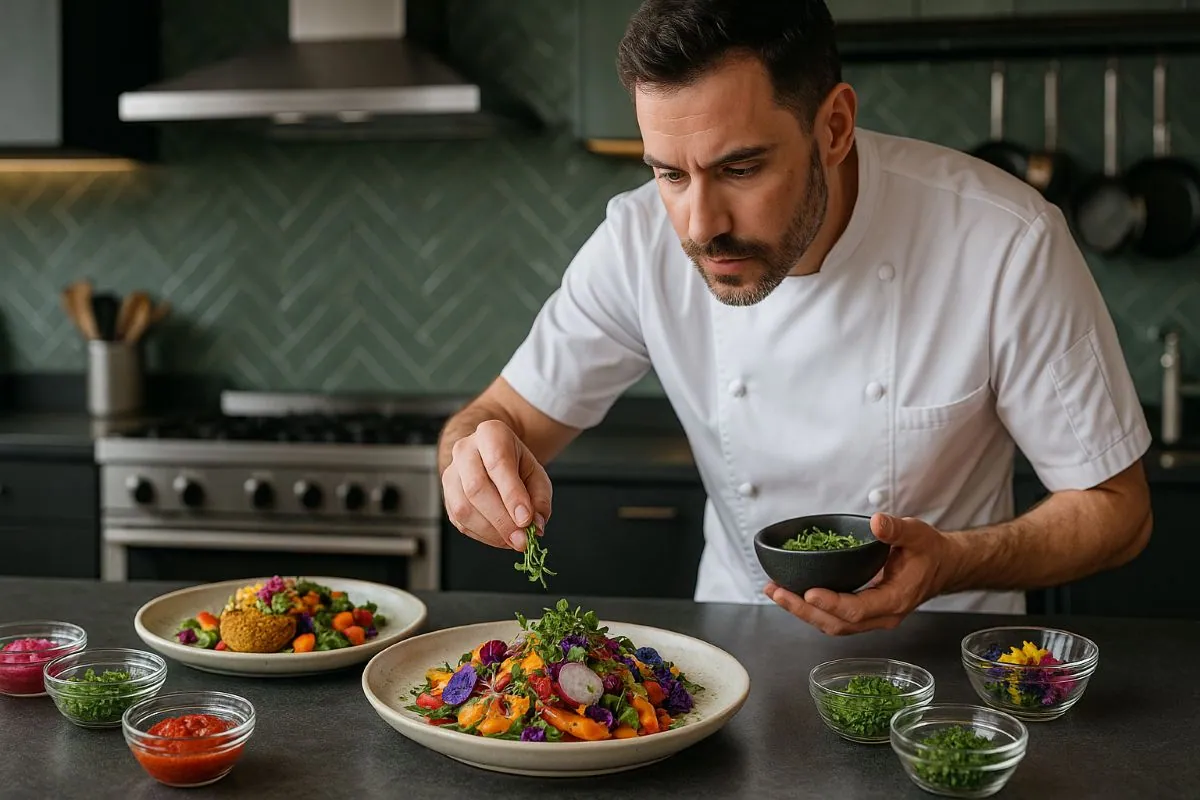
- How do you stay innovative while maintaining your signature style?
- What food trends do you find most exciting right now?
- How do you incorporate sustainability into your cooking?
- What's your vision for this restaurant's culinary future?
- How do you balance classic techniques with modern innovations?
- What role does technology play in your kitchen operations?
- How do you approach plant-based and alternative proteins?
- What's your philosophy on local sourcing and farm relationships?
- How do you see the restaurant industry evolving?
- What new skills are you currently developing?
- How do you incorporate health-conscious options without compromising flavor?
- What's your approach to zero-waste cooking?
- How do you adapt traditional recipes for modern tastes?
- What role does social media play in your culinary approach?
- How do you see your cooking style evolving in the next five years?
Personal Motivation and Goals
Understanding what drives someone personally helps predict their long-term commitment and job satisfaction. These questions reveal whether a chef's goals align with your restaurant's direction and culture. It's about finding someone whose personal mission matches your establishment's values.
Personal motivation often determines how someone handles challenges and setbacks. Chefs who are clear about their goals and passionate about their path tend to bring more energy and dedication to their work.
- What gets you most excited about coming to work each day?
- Where do you see your culinary career in five years?
- What type of restaurant environment brings out your best work?
- What are your non-negotiable values in the kitchen?
- How do you maintain work-life balance in this demanding industry?
- What legacy do you want to leave through your cooking?
- What aspects of cooking do you never want to stop learning about?
- How do you recharge and find inspiration outside of work?
- What would make this role ideal for your career goals?
- How do you define success in your culinary career?
- What challenges are you most excited to tackle?
- What type of impact do you want to have on guests?
- How do you want to grow as a leader?
- What keeps you passionate about cooking after all these years?
- What would you want to be remembered for as a chef?
Related: 250 Life-Changing Quotes That Pack a Punch: Small Words, Big Wisdom
Situational and Behavioral Questions
Real-world scenarios reveal how someone actually performs under pressure and in complex situations. These questions go beyond hypotheticals to explore actual experiences and decision-making processes. They help you understand not just what someone knows, but how they apply that knowledge when it matters most.
The stories chefs tell about challenging situations often reveal their true character and professional maturity. Listen for accountability, learning, and growth in their responses.
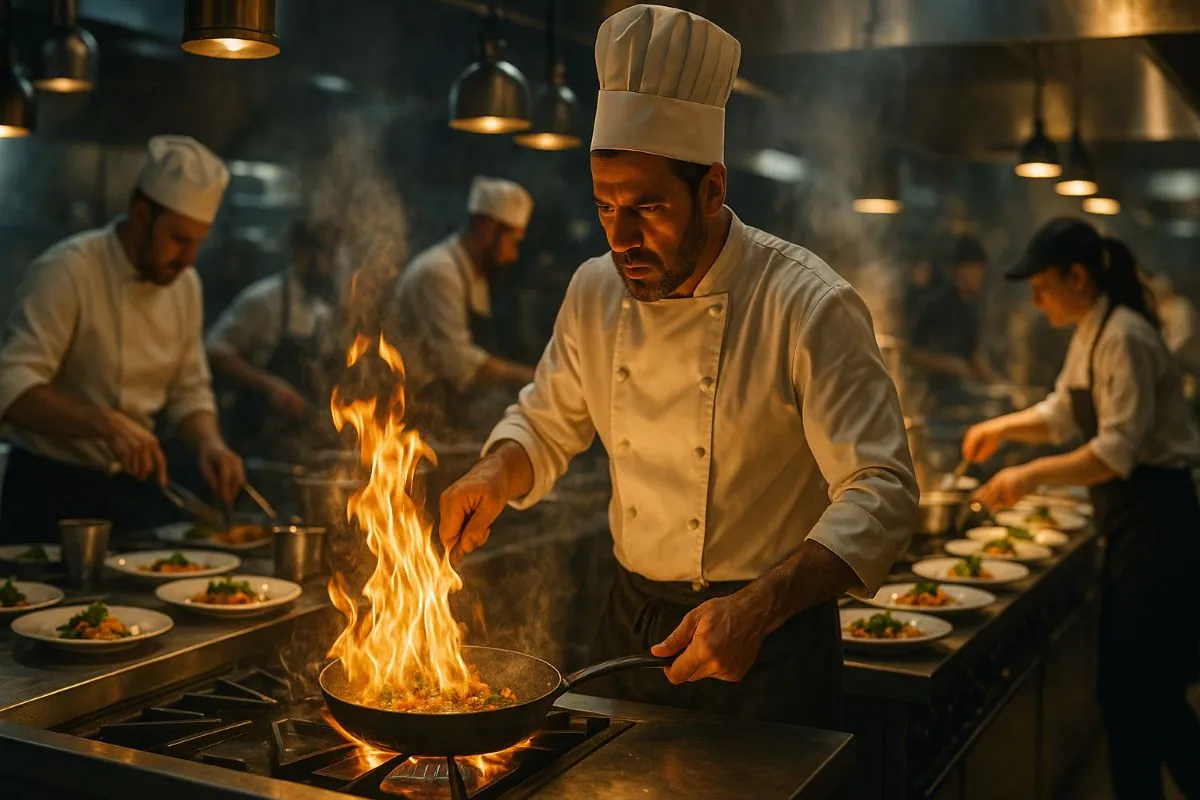
- Tell me about the busiest service you've ever worked.
- Describe a time when you had to fire someone you liked personally.
- How did you handle a situation where a dish was sent back multiple times?
- Tell me about a time you disagreed with a business decision.
- Describe your worst day in a kitchen and what you learned.
- How have you handled working with a difficult colleague?
- Tell me about a time you had to admit you were wrong.
- Describe a situation where you exceeded customer expectations.
- How have you dealt with a serious kitchen accident or injury?
- Tell me about a time you had to work with an impossible deadline.
- Describe how you've handled a major equipment failure.
- Tell me about a time you turned around a failing dish or menu item.
- How have you managed during a health inspection visit?
- Describe a situation where you had to choose between quality and speed.
- Tell me about your most rewarding moment as a chef.
Save this on Pinterest!
Final Thoughts
The right chef brings more than just culinary skills to your restaurant – they bring passion, leadership, and a vision that can elevate your entire operation. These questions are designed to help you look beyond the resume and discover the person behind the chef's coat.
Remember that the best interviews feel like conversations, not interrogations. Use these questions as a guide, but let the discussion flow naturally. The goal is to understand not just what someone can do, but who they are and how they'll fit into your restaurant's unique culture and vision.
Finding the perfect chef takes time, but asking the right questions will help you identify someone who doesn't just cook great food – they create experiences, build teams, and share your passion for hospitality. Trust your instincts, listen carefully, and choose the chef who makes you excited about your restaurant's future.
Related:
100 Timeless George Washington Quotes That Still Inspire America Today